Install Your Own Water Heater California: What Homeowners in Sonoma & Marin County Need to Know Before You Try
Install Your Own Water Heater California: What Homeowners in Sonoma & Marin County Need to Know Before You Try
There is a certain confidence that kicks in when you start thinking about tackling a big home project yourself. You watch a couple of videos, read a few forums, and suddenly installing a water heater feels like something you can knock out over a weekend. I get it. A lot of homeowners in Sonoma and Marin County want to save money and take control of their own property.
But installing your own water heater in California is not like swapping out a faucet or fixing a leaky drain. This is one of those projects where plumbing, gas, electrical work, building codes, and safety regulations all collide in one place. If you get it right, you get reliable hot water and peace of mind. If you get it wrong, you risk water damage, fire hazards, failed inspection, or worse.
So let’s talk about what is actually involved, what the california plumbing code requires, and when it makes sense to call a licensed plumber before things go sideways.
Is Installing My Own Water Heater a Good Idea?
A lot of homeowners start with the same question. Can I install my own water heater in California and avoid paying a plumber?
Technically, yes. In most cases, homeowners are allowed to work on their own property. But here is where it gets complicated. Just because you can does not mean the installation will meet code compliance or pass a final inspection.
In Sonoma and Marin County, your local jurisdiction enforces strict requirements when it comes to water heater installation. That includes building permits, proper venting, seismic strapping, and making sure the unit is installed correctly according to both local codes and the manufacturer’s instructions.
This is not just about paperwork. These regulations exist because a water heater combines pressure, heat, gas or electricity, and water in one system. That combination can create serious safety issues if handled incorrectly.
If your goal is to save money, you need to factor in what happens if something goes wrong. A failed inspection means redoing the installation. Code violations can delay selling your home. Improper installation can lead to water damage or fire hazards that cost far more than hiring a licensed plumber in the first place.
What is the Water Heater Installation Process?
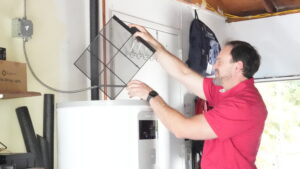
Most people imagine water heater installation as disconnecting the old unit and hooking up a new one. That is maybe twenty percent of the actual installation process.
When a professional handles a water heater installation, they look at the entire system. The existing water heater, the water supply lines, the gas line or electrical connection, the vents, and the surrounding space all matter.
In Sonoma and Marin County, many homes have older plumbing setups. That means replacing a water heater often turns into correcting previous plumbing issues to meet current building codes.
During a proper installation process, the plumber will evaluate:
- The condition of the existing water heater and connections
- Whether the location meets current safety and ventilation standards
- If the pressure relief valve and temperature and pressure relief system are installed correctly
- Whether seismic strapping is in place at the upper one third and lower one third of the tank
- If combustion air requirements are met for a gas water heater
- Whether proper venting is installed and up to code
This is why a water heater replacement is rarely a simple swap. It is a full system check to ensure everything is safe, code compliant, and built to last.
What Goes into Water Heater Replacement?
Let’s say your existing water heater failed. Maybe it stopped producing hot water, or maybe it started leaking and you are dealing with a growing puddle in the garage.
Replacing a water heater sounds straightforward. Remove the old tank, install the new water heater, reconnect everything, and move on.
In reality, water heater replacement often exposes hidden issues. Older units were installed under older regulations. Today’s california plumbing code has stricter requirements around safety, venting, and seismic stability.
For example, if your old unit did not have proper seismic strapping, your new water heater must include it. If the pressure relief valve was not installed to current standards, that has to be corrected. If the venting system does not meet modern requirements, it needs to be updated.
This is where many DIY projects run into trouble. The installation may work temporarily, but it fails inspection or creates long term risks.
If you are replacing a water heater in Sonoma or Marin County, it is not just about getting hot water back. It is about making sure the system is safe, durable, and compliant with local building regulations.
Ready to get things fixed? Schedule your service today or give us a call and we’ll be happy to help.
Are Tankless Water Heaters Easier to Install Yourself?
Tankless water heaters have a reputation for being modern and efficient. They take up less space, provide continuous hot water, and seem like an upgrade in every way.
What they are not is simple to install.
Installing tankless water heaters involves significant changes to your home’s plumbing and electrical or gas system. These units often require upgraded gas lines, additional electrical work, and precise venting systems.
In many cases, the installation requires:
- Modifying the gas supply to meet higher demand
- Installing new vents designed for tankless systems
- Updating water supply lines to handle different flow requirements
- Ensuring proper drainage for condensate
For residential and commercial properties, this becomes even more complex when the system needs to support multiple bathrooms or appliances at once.
Trying to install tankless water heaters without experience can quickly turn into a complicated project that exceeds the cost of hiring a professional.
Can I Install a Heat Pump Water Heater by Myself?
Heat pump water heaters are becoming more popular in California due to energy efficiency regulations. They pull heat from the surrounding air to heat water, making them a great option for reducing energy use.
They also come with their own set of installation challenges.
A heat pump system requires enough space and proper airflow to operate effectively. The location matters a lot. Installing one in a tight garage without proper ventilation can reduce efficiency or cause operational issues.
There is also electrical work involved, which must meet strict requirements under local codes. If the unit is not installed correctly, you risk performance problems and failed inspection.
These systems are excellent when installed properly. When installed incorrectly, they become expensive equipment that does not deliver what it promised.
What is the Permit Process for Water Heaters?
The permit process is where a lot of DIY plans start to fall apart.
In Sonoma and Marin County, a permit is required for most water heater installation projects. This includes replacing an existing water heater or installing a new water heater in a new location.
The permit process ensures that the installation meets building codes and safety standards. It also triggers a final inspection to verify that everything was done correctly.
Skipping the permit might seem like a way to save money and time. In reality, it creates problems down the road. If you sell your home and the water heater installation was not permitted, it can delay the sale or require retroactive corrections.
Working with a licensed plumber means the permit application is handled for you, and the installation is done with inspection in mind from the start.
What Do You Need to Submit for Water Heater Permit Requirements?
Permit requirements are not just about filling out a form. In many cases, you need to provide details about the installation, including a floor plan showing where the unit will be located.
If you are installing a water heater in a new location, the requirements can become even more detailed. The local building department may ask for:
- A floor plan showing clearances and access
- Details about venting and combustion air
- Specifications for the unit and equipment
- Information about gas or electrical connections
These requirements are in place to ensure the installation is safe for both the homeowner and the property.
Trying to navigate this process without experience can be frustrating. It is one of the main reasons homeowners choose to work with professionals.
How Do You Know if a Water Heater is Installed Correctly?

Everyone says their system is installed correctly. In California, that phrase has a very specific meaning.
A water heater is installed correctly when it meets all applicable building codes, follows the manufacturer’s instructions, and passes final inspection without any code violations.
This includes:
- Proper seismic strapping at the upper one third and lower one third
- Correct installation of the temperature and pressure relief system
- Safe and compliant venting
- Secure and leak free water supply lines
- Adequate combustion air for gas systems
If any of these elements are missing or incorrect, the installation is not considered code compliant.
This is where experience matters. A licensed plumber understands these details and ensures the unit is installed correctly the first time.
Have a question or need a hand? Reach out anytime. You can book a service or talk with our team.
When is a Permit Required for Water Heaters?
There is a common misconception that permits are optional for small projects. When it comes to water heaters, that is rarely the case.
A permit is required for:
- Water heater replacement
- Installing a new water heater
- Moving a unit to a new location
- Converting from a tank to tankless system
In short, if you are working on your water heater, there is a very good chance a permit is required.
Ignoring this requirement can lead to fines, failed inspections, and complications with insurance claims if something goes wrong.
What is the Permit Application Process for Water Heaters?
The permit application process involves submitting details about your project to the local building department.
For homeowners, this means gathering information about the unit, the installation process, and the location. You may also need to coordinate with inspectors and schedule a final inspection once the work is complete.
It is not impossible to handle on your own, but it does take time and attention to detail.
This is one of those moments where people realize that saving money upfront can cost more in time and stress.
Electrical Work: Where DIY Gets Risky Fast
If your water heater involves electrical work, things get serious quickly.
Improper electrical connections can create fire hazards, damage equipment, or cause the system to fail entirely.
California has strict requirements for electrical installations, and these must be followed precisely. This includes proper wiring, grounding, and circuit protection.
Unless you have experience with electrical systems, this is not an area where guessing is a good strategy.
Strict Requirements: Why California Is Different
California has some of the strictest building codes in the country, especially when it comes to safety and energy efficiency.
These strict requirements are not there to make your life difficult. They exist because water heaters have caused real problems in the past, including fires, gas leaks, and structural damage during earthquakes.
In Sonoma and Marin County, seismic strapping is mandatory. Proper venting is non negotiable. Combustion air must be accounted for.
These regulations are designed to protect homeowners, even if they feel like overkill when you are standing in your garage staring at a new water heater.
Real World Example: When DIY Goes Sideways
A homeowner in Marin County decided to install their own water heater to save money. They followed a basic guide and got the unit up and running.
Everything seemed fine until the inspection.
The inspector flagged multiple issues. The seismic strapping was installed incorrectly. The pressure relief valve was not routed properly. The venting did not meet current code.
The homeowner ended up hiring a licensed plumber to redo the installation. The total cost was higher than if they had hired a professional from the beginning.
This is not a rare story. It happens more often than people admit.
What Are the Risks of Installing a Water Heater Yourself?
Saving money is a valid goal. But with water heater installation, the hidden costs can add up quickly.
Incorrect installation can lead to:
- Water damage from leaks
- Higher energy bills due to inefficiency
- Premature failure of the unit
- Safety risks including gas leaks or fire hazards
- Failed inspection and additional repair costs
When you look at the full picture, hiring a licensed plumber often ends up being the more economical choice.
When Should You Call a Licensed Plumber?
There is no rule that says you cannot attempt a DIY project. But there are clear situations where calling a licensed plumber is the smarter move.
If your installation involves gas lines, electrical work, or changes to the location, it is worth getting professional help.
If you are dealing with an older home with outdated plumbing, a professional can identify and fix issues before they become bigger problems.
If you simply want the job done right without the stress, working with an experienced team is the way to go.
A Local Perspective: Sonoma and Marin County Homes
Homes in Sonoma and Marin County come with their own challenges. Older properties may have outdated systems. Newer homes must meet modern building codes.
Local building departments take permit requirements seriously, and inspections are thorough.
Working with a team that understands local codes, local jurisdiction requirements, and the unique characteristics of homes in this area makes a difference.
Ready to Do It Right the First Time?
If your water heater is failing, leaking, or just not keeping up, do not wait until it turns into a bigger problem.
Contact John Owens Services today to schedule your inspection. Our licensed plumber team handles everything from permit application to final inspection, ensuring your system is safe, code compliant, and built to last.
Book your water heater installation with a team that understands Sonoma and Marin County homes and knows how to get the job done right.
Because saving a little money upfront is not worth risking your home, your safety, or your sanity.
Looking For Emergency Services? Get A Free Estimate Today!
- Plumbing
- Sewer & Drain
- Leak Detection
- AC Services
- Ducts & Air Quality
- Heat Pump
- Furnace
- Radiant Boilers
- Water Heater