Sewer Backup in Your Basement or Laundry Room? What to Do First
When sewage begins backing up through a floor drain in your basement or laundry room, it is important to act as soon as possible. Apart from obvious damage, such as water damage and mold growth that can occur when water floods in your house, there are severe health hazards associated with sewer water. There are many viruses, bacteria and parasites living in raw sewage that can lead to serious illness if inhaled or touched. In extreme cases, sewer gases building up in enclosed spaces can even be deadly.
Before calling an emergency plumber, here are the steps you should take immediately when dealing with a sewage backup in your basement.
What to Do in a Sewer Emergency
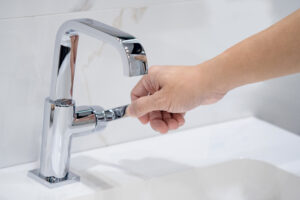
Stop Using the Water
This is the most important step even before calling an emergency plumber. Don’t use any water anywhere in your home, because it will only flood back up. Make sure no one in the house is using any plumbing fixtures.
Clear the Affected Area
Make sure all people and pets are cleared out of the room where the basement flooding is happening. If you can do it safely, remove any items that have not been damaged from the room.
Cut Power to Nearby Outlets
If the sewer main line backup is happening in a room near outlets, extension cords, or electrical appliances, cut power to those appliances at your breaker box.
Ventilate
Try to open doors and windows to safely vent any dangerous gases out of the house during a sewer emergency.
Call a Plumber
Once you have secured your home as much as you can, it is time to call an emergency plumber in your area to fix the problem.
Document What You Can
If possible, take pictures of everything affected by the basement flooding. This includes damaged items, floors, walls, fixtures, as well as the water level. You will need these for any insurance claims.
Clean Up
After the sewer main line problem has been resolved by a licensed plumber, it’s time to clean and disinfect the area. Keep the windows open to continue ventilation and help dry the room. You can use fans and dehumidifiers as well.
What NOT to Do in a Sewer Emergency
Don’t Try to Clear the Drain
Do not attempt to use chemical drain cleaners, plumbing augers, or plungers to try to clear a drain that is experiencing sewage backup. You could end up making the clog worse by pushing the sewage into other fixtures or cause serious harm to yourself and your home. Wait for an emergency plumber to show up.
Don’t Enter the Area Without Protective Gear
Don’t enter a room experiencing a sewage backup without gloves, shoes, a face mask, and eye protection. Raw sewage is incredibly dangerous to your health and you want your face and skin covered when navigating your basement flooding.
Don’t Try To Resolve the Problem Alone
Backups from a sewer main line require the expertise of a licensed professional. All repairs and major clean up should be handled by them for the safety of you and your home.
Causes of Major Sewer Line Clogs
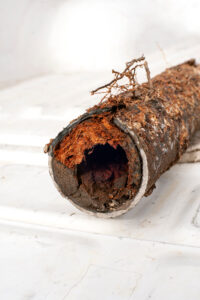
One major step in sewage backup prevention is understanding the root cause of the issue. There are several common issues that could contribute to a sewer emergency in your plumbing.
Non-flushable items getting into the drain is a surefire way to risk a sewage backup. Items like paper towels, feminine products, grease, wipes, and others that don’t belong in the drain can create massive clogs when they build up after time. When they mix with items like hair, soap scum, and food scraps, the entire line could become blocked.
When there is a clog in the main line, this will block all of your plumbing fixtures, as opposed to just a singular clog in one drain. You’ll know you’re dealing with a main line clog when all the drains in your house are running slowly, producing foul odors, or making gurgling noises.
One cause of a main line clog could be severe root intrusion in the pipes. Tree roots drawn to the moisture in drain pipes can wrap around the pipe and cause serious damage. They can even break through weaker pipe material to grow inside of the drain and create large blockages.
Heavy storms can overwhelm municipal sewer lines with heavy rainfall that foods the system. This can make the wastewater flood backwards.
Collapsed pipes, particularly in older homes with cast iron or clay pipe materials, can cause sewer backups because the water has nowhere to go. Older pipe materials can corrode and crack much easier than newer materials, which is why older structures should keep this in mind.
How to Prevent a Future Sewage Backup
Now that you know the causes of sewage backups, you’ll want to know how to actively prevent them from happening again. Luckily, there are several proactive steps you can take so that your sewer line remains within your control and won’t have you calling an emergency plumber.
- Keep unflushable items out of the drain. This is an easy step you can do everyday. Never flush feminine products, wipes, or paper towels down the drain. Also, dispose of cooking grease through the trash. Pouring it down the drain will cause it to harden along the edges of the pipe, creating massive clogs.
- Look out for early signs of clogs. If you catch a problem early before it becomes a sewage emergency, you could prevent a lot of headaches. Gurgling or foul smelling drains, multiple slow drains, wet patches in your yard, and water backing up in your fixtures are all signs of a sewer line problem. Call a professional right away if you notice any of them.
- Have a backwater valve installed. This is a device that can prevent wastewater from flooding back up your pipes from the sewer main in the event of heavy rains.
- Keep up with regular drain maintenance. From cleaning your home drains with a homemade vinegar and baking soda mixture to scheduling a professional drain cleaning once a year, it is vital to take the steps that ensure your drains remain in good health.
Who to Call for a Sewer Backup Emergency
If you’re wondering what local plumber you can rely on to get you through any sewer emergency as well as regular drain maintenance, John Owens Services is the expert you to call. We have served the Sonoma and Marin County areas since 1986 with professional drain and sewer services. With our same-day service, we are the local plumber to contact in the event of a laundry room or basement flooding emergency, and our trained technicians will have the problem resolved in no time.
Key Takeaways
- Immediately stop using all water in the event of a sewer emergency. Clear the area, cut power to any electrical appliances in the room, open the windows to ventilate, and then call a plumber to assist with the issue.
- Don’t ever try to clear the drain yourself, move through the area without protective gear, or try to repair or clean the damaged area without consulting a professional.
- Common causes for a sewage backup include clogs in the sewer main line, non-flushable items creating a clog, flooding from heavy storms, tree root intrusion, and collapsed pipes.
- You can prevent future sewer backup from happening by only putting drain-safe materials down your drains, keeping an eye out for backup warning signs, installing a backwater valve, and keeping up with routine drain maintenance.
- John Owens Services is a trusted local plumber who can handle any drain or sewer emergency as well as regular drain cleaning services.