Earthquake Strapping Water Heater California: What Sonoma & Marin Homeowners Need to Know
Earthquake Strapping Water Heater California: What Sonoma & Marin Homeowners Need to Know
If you live anywhere in Sonoma or Marin County, you already know the ground here doesn’t always stay where it belongs. Earthquakes are not some distant possibility. They are part of life in California. And yet, many homeowners still overlook one of the most vulnerable and dangerous pieces of equipment in their home during a quake: the water heater.
I’ve walked into homes after a quake where the water heater tank tipped, gas lines snapped, water lines burst, and suddenly what should have been a minor shake turned into fire, flood, or both. Most of the time, it comes down to one thing. The unit was not properly strapped.
This is your homeowner’s guide to understanding earthquake strapping water heater California requirements, what the california plumbing code actually expects, and how to make sure your system is safe, secure, and compliant.
Why Do Water Heaters in California Need Earthquake Strapping?
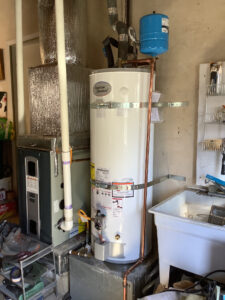
A water heater might look heavy and stable, but during earthquakes, even a fully installed unit can slide, tip, or fall. When seismic forces hit, gravity no longer behaves the way you expect. The tank can experience horizontal displacement, which means it moves sideways instead of just shaking in place.
When that happens, a few dangerous things can follow:
- Gas lines can disconnect, leading to fire or explosion
- Water lines can rupture, causing serious flood damage
- The entire water heater tank can fall over and damage surrounding wall framing or concrete flooring
- Pressure relief valves can be compromised, creating dangerous pressure buildup
California law requires water heater earthquake strapping because of these risks. It is not just about code compliance. It is about keeping your house, your family, and your property safe.
Many homeowners assume their unit is secure just because it is installed. That assumption has caused more damage than most people realize.
Water Heater Basics Every Homeowner Should Understand
Before getting into water heater strapping, you need a clear understanding of what you are actually securing.
Most residential water heaters fall into three categories:
Gas fired water heaters are the most common in Sonoma and Marin County homes. These units connect to gas lines and heat water using a burner. If they tip, gas leaks become a serious hazard.
Oil fired water heaters are less common but still present in older homes. These rely on oil systems and carry similar risks during earthquakes.
Tankless water heaters are mounted on a wall and do not store heated water in a tank. They are less likely to tip, but they still need to be securely installed and connected properly.
Traditional tank systems store heated water inside a large tank. These are the most vulnerable during earthquakes because of their size, weight, and center of gravity.
If you have a tank style water heater, you are exactly the type of homeowner the code is written for.
What Are the California Water Heater Earthquake Strapping Requirements?
Let’s talk about what the california plumbing code actually requires, because this is where most DIY attempts go wrong.
Water heater earthquake strapping must be done in accordance with current requirements set by california law. The goal is simple. The unit must resist falling or tipping during seismic activity.
Here is what that means in practice:
The water heater must be secured with metal straps. Not rope. Not random hardware store improvisation. Approved materials only.
These straps must be attached to wall studs or solid wall framing. Drywall alone is useless in an earthquake. If your straps are screwed into drywall, you might as well not have them.
There must be at least two straps. One in the upper third of the tank and one in the lower third. This helps prevent both tipping and sliding.
The straps must be tight enough to hold the unit firmly but not so tight that they damage the tank.
The installation must allow access to controls, pressure relief valves, and connections. You cannot strap it so tightly or awkwardly that it blocks service or inspection.
In multi family properties, the same rules apply but enforcement is often stricter because the risk is multiplied across units.
If your water heater was replaced or installed recently, it should already comply. But “should” is doing a lot of work there. I’ve seen plenty of recent installations that still fail inspection.
Ready to get things fixed? Schedule your service today or give us a call and we’ll be happy to help.
Water Heater Strapping Done Right: What Properly Strapped Really Looks Like
There’s a difference between “there are straps” and “it is properly strapped.”
A properly strapped water heater will:
Be anchored to solid wall studs using metal straps that wrap fully around the tank
Have straps positioned at correct heights, typically upper and lower thirds
Be secured tightly enough to prevent movement but not deform the tank
Use approved materials designed for seismic restraint
Remain accessible for service, including access to shut off valve, temperature control, and pressure relief valves
I’ve seen setups where straps were installed but attached to weak wall material, or placed incorrectly, or left loose. That kind of installation might pass a quick glance but fail when it actually matters.
If you are not sure whether your system is properly strapped, that’s exactly the kind of thing a licensed plumber should inspect.
Water Heater Earthquake Damage: What Actually Happens During a Quake
You might be picturing a dramatic collapse, but most earthquake damage to water heaters is quieter and more expensive.
Here’s a real scenario from a Marin County home.
The quake was not even particularly strong. The water heater was installed in a garage on a concrete floor. It had a single strap that was loosely installed.
During the shaking, the unit shifted. Not a full fall, just enough movement. That movement stressed the gas lines and caused a small leak. At the same time, the water lines cracked.
The result was a combination of gas leak risk and water flooding. The homeowner had to shut off everything, replace the unit, repair flooring, and deal with mold issues later.
All of that from something that could have been prevented with proper water heater earthquake strapping.
That’s the reality. It’s not always dramatic. It’s just expensive, disruptive, and completely avoidable.
Tankless Water Heaters and Earthquake Safety
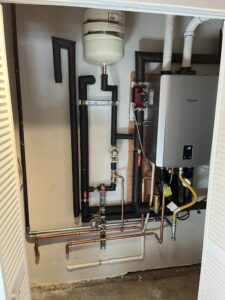
Now, if you have tankless water heaters, you might feel a little safer. And you should, to a degree.
Tankless units are mounted to a wall and do not have a large tank of heated water that can tip. But that does not mean they are immune to earthquake damage.
The mounting must still be secure. The wall framing must be strong. The gas lines and water lines must be properly connected and supported.
If a tankless unit is poorly installed, it can still shift, disconnect, or fail during seismic activity.
Earthquake safety is not just about the tank. It is about the entire system.
Common DIY Mistakes Homeowners Make With Water Heater Strapping
Many homeowners in Sonoma and Marin County try to handle this themselves. Sometimes it works out. Often, it doesn’t.
Here are the most common mistakes:
Using non approved materials like rope or generic metal bands that are not rated for seismic forces
Attaching straps to drywall instead of wall studs
Installing only one strap instead of the required two
Placing straps incorrectly on the tank
Leaving straps loose or poorly secured
Blocking access to important components like the shut off valve or pressure relief valves
There is also the issue of missing other critical safety components. For example, if your system does not have a proper drain line connected to the pressure relief valve, you are risking pressure buildup and possible explosion.
Water heater strapping is one part of a larger safety picture.
Earthquake Safety Beyond Strapping: What Else You Should Check
If you are already thinking about earthquake safety, don’t stop at the straps.
Check your gas lines. Make sure they are flexible where required and properly connected.
Check your water lines. Look for signs of wear, corrosion, or improper installation.
Verify that your pressure relief valves are functioning and properly connected to a drain line.
Make sure there is a floor drain in areas where water damage could occur.
Confirm that your shut off valve is accessible and working. In an emergency, you do not want to be guessing where it is.
If your unit is located in a garage or lower level, consider how flood risk interacts with earthquake risk. Water damage and structural damage often go together.
A proper inspection looks at all of this together, not just one piece.
Have a question or need a hand? Reach out anytime. You can book a service or talk with our team.
Replacement Water Heaters and Code Compliance
If your water heater is older or has already experienced issues, it might be time to consider replacement water heaters.
When a unit is replaced, it must comply with current requirements. That includes proper water heater earthquake strapping, updated connections, and full compliance with california plumbing code.
This is actually an opportunity. Instead of just fixing one issue, you can bring the entire system up to modern safety standards.
Many homeowners wait until failure forces their hand. That usually means emergency service, higher costs, and rushed decisions.
Planning ahead gives you control.
Multi Family Properties and Shared Responsibility
If you own or manage multi family properties, this is not just about one unit. It is about every unit.
Each water heater must be properly strapped and installed in accordance with code. A failure in one unit can affect multiple households.
In some cities across Sonoma and Marin County, inspections are more frequent for multi family properties. Compliance is not optional.
If you are a property owner, this is one area where cutting corners can create serious liability.
A Practical Homeowner’s Guide to Getting This Done Right
If you are reading this and realizing your system might not be secure, here is the practical path forward.
Start with a professional inspection. A licensed plumber can quickly assess whether your water heater strapping meets code and whether the unit is secure.
If upgrades are needed, use approved materials and proper installation methods. This is not the place for guesswork.
If your unit is old or showing signs of failure, consider replacement water heaters that meet current standards.
Make sure everything is done in accordance with california law and local city requirements.
And yes, this is where I say it directly. If you are in Sonoma or Marin County, contact John Owens Services and book your inspection. This is exactly the kind of work we handle every day. It is straightforward when done right and expensive when ignored.
Why Many Homeowners Delay This and Why That’s a Problem
People tend to delay anything that is not actively broken. A water heater that is still heating water feels like it is doing its job.
But earthquakes do not send a calendar invite before they show up.
The risk is not gradual. It is sudden. And when it happens, the consequences stack quickly.
Damage from tipping, gas leaks, fire risk, water damage, and system failure all happen in a short window.
This is one of those situations where a small, proactive step prevents a large, reactive problem.
Final Thoughts on Earthquake Strapping Water Heater California
If there is one thing to take away, it is this.
Water heater earthquake strapping is not a technicality. It is a core part of home safety in California.
A properly strapped unit resists falling, stays connected, and reduces the risk of fire, flood, and costly damage.
An improperly secured unit becomes a liability the moment the ground starts moving.
You do not need to overcomplicate this. You just need to take it seriously and get it done right.
If you are unsure where your system stands, schedule a professional inspection. If work is needed, use approved materials and follow code. If your unit is outdated, consider replacement.
And if you want it handled without guesswork, call John Owens Services. We deal with this every day across Sonoma and Marin County, and we know exactly what it takes to keep your home safe, secure, and compliant.
Because when the next quake hits, the last thing you want to worry about is whether your water heater is about to fall over.
Looking For Emergency Services? Get A Free Estimate Today!
- Plumbing
- Sewer & Drain
- Leak Detection
- AC Services
- Ducts & Air Quality
- Heat Pump
- Furnace
- Radiant Boilers
- Water Heater