California Water Heater Code 2026: What Homeowners Need to Know
If you own a home in Sonoma or Marin County, you have probably realized one thing already. Nothing in California stays simple for long. Especially not water heaters. Between evolving safety standards, stricter energy efficiency rules, and the push to reduce greenhouse gas emissions, the california water heater code 2026 is not something you can afford to ignore.
And no, this is not just paperwork. This directly affects your hot water, your energy bills, your safety, and whether your next water heater installation passes inspection or turns into an expensive redo.
Why Knowing the California Water Heater Code is Important
The california water heater code 2026 is built on updates to the california plumbing code, california energy code, and Title 24. These are not random rules. They are designed to improve safety standards, increase energy efficiency, and reduce carbon emissions across residential water heaters.
In practical terms, this means every water heater installation in a dwelling unit now has to meet stricter efficiency requirements, ventilation rules, and safety controls.
If you are in Sonoma or Marin County, this matters even more. Many homes here are older, which means existing buildings often need upgrades just to meet basic compliance during new installations.
Ignoring the permitting process or skipping a water heater permit might seem like a shortcut. It usually turns into a headache when you try to sell your home or when something fails.
If you are even thinking about replacing your system, call John Owens Services and get it inspected first. It saves time, money, and a lot of regret.
Is a Heat Pump Water Heater More Efficient?
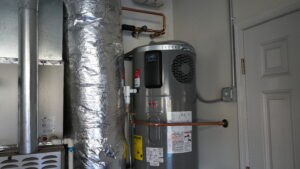
One of the biggest shifts in the california energy landscape is the push toward heat pump technology. You will see this everywhere in the california water heater code 2026.
A heat pump does not generate heat the same way gas fired water heaters do. It pulls heat from the surrounding air and transfers it to the water. That sounds simple, but it drastically reduces energy consumption.
For homeowners, this means lower energy bills and fewer greenhouse gas emissions.
Heat pump water heaters are now strongly encouraged in new construction and often required to meet energy efficiency standards. They are considered a high efficiency option and align with renewable energy goals set by the california energy commission.
If you are planning ahead for a replacement, this is not optional anymore in many cases.
Are Electric Water Heaters the New Standard?
Electric water heaters are gaining ground fast, especially with california pushing to reduce reliance on natural gas.
Unlike gas water heaters or propane water heaters, electric systems do not produce direct carbon emissions. That makes them easier to approve under the california energy code and more attractive for homeowners trying to reduce energy consumption.
However, switching is not always plug and play. Your home may need electrical upgrades, especially in older homes across Sonoma and Marin County.
If you are considering electric water heaters, you need to look at your panel capacity, your water pressure regulator setup, and your overall water heating systems design.
This is where a licensed professional matters. You do not want to guess your way through something tied to both plumbing and electrical safety.
Can I Still Have a Gas Water Heater in California?
Gas water heaters are not gone, but they are under pressure.
The california water heater code 2026 introduces tighter requirements for gas fired systems. This includes rules around combustion air, vent pipe installation, and burner ignition devices.
If your system uses natural gas or propane, you need proper ventilation using a type b vent or equivalent system. The vent pipe must be correctly sized and installed, often with a straight pipe configuration to ensure safe exhaust flow.
Gas fired water heaters must also include flammable vapor ignition resistant technology. This protects against flammable vapor ignition, which can happen in garages or areas where chemicals are stored.
These safety standards are not optional. They are required to prevent fires and ensure proper operation.
If your system still uses a standing pilot light, it may not meet current efficiency standards. Newer systems use advanced burner ignition devices that improve thermal efficiency and reduce energy costs.
The Proper Connections For Hot Water Reliability
Everyone wants consistent hot water. Nobody thinks about the system until it fails.
A leaking water heater or complete failure is often the result of poor installation or ignored maintenance.
The california plumbing code now emphasizes proper connections for the incoming cold water line and the cold water supply. These must be installed correctly to maintain water pressure and avoid stress on the system.
Your pressure relief valve is another critical component. It prevents excess pressure from building up inside the tank. Without it, you are looking at serious safety risks.
The upper one third of your tank is where heat accumulates, and proper installation ensures optimal performance.
If your system is not delivering hot water consistently, it is not just an inconvenience. It may be a sign that your setup is not compliant with current standards.
Call John Owens Services and get it checked before it turns into a bigger issue.
What Are the New Energy Efficiency Standards For Water Heaters?
The California energy code and Title 24 are pushing homeowners toward higher efficiency standards.
This means your water heating systems must meet specific thermal efficiency levels. It also means better pipe insulation, improved system design, and smarter use of renewable energy.
Pipe insulation is now required in many cases to reduce heat loss and improve energy efficiency.
If your pipes run along exterior walls, insulation becomes even more important.
Reducing energy consumption is not just about saving money. It is about meeting statewide goals to reduce greenhouse gas emissions.
And yes, that means your energy bills are directly tied to how well your system complies with these rules.
Gas Water Heater Safety Considerations
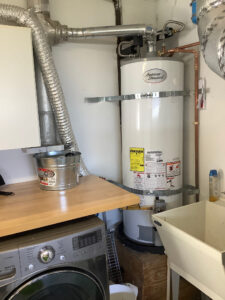
Gas water systems require careful installation and maintenance.
Your gas line must be correctly sized and installed to handle the load of your gas heater. Improper pipe diameter can lead to poor performance or even safety hazards.
Combustion air is another critical factor. Without proper airflow, gas fired systems cannot operate safely.
If you have gas furnaces and a gas water heater in the same space, airflow becomes even more important.
Ventilation systems like type b vent installations ensure that exhaust gases are safely removed from your home.
Ignoring these requirements is not just a code violation. It is a real safety risk.
High Efficiency Systems and Long Term Savings For Your Home
High efficiency water heaters cost more upfront. There is no point pretending otherwise.
But they reduce energy consumption, lower energy bills, and meet california energy code requirements.
Over time, they pay for themselves.
If you are planning a replacement, think long term. Choosing a system that meets efficiency standards now saves you from having to upgrade again later.
Ready to get things fixed? Schedule your service today or give us a call and we’ll be happy to help.
Do I Need a Permit for a Water Heater?
The permitting process exists for a reason.
A water heater permit ensures your installation meets safety standards, efficiency requirements, and local codes.
Skipping it might save you a few days upfront. It can cost you thousands later.
In earthquake prone areas like California, seismic bracing is required. This keeps your unit secure during seismic activity.
If your installation does not meet these requirements, it will not pass inspection.
Water Pressure and System Performance
Water pressure plays a huge role in how your system performs.
A water pressure regulator helps maintain consistent pressure throughout your home.
Too much pressure leads to excess pressure inside the tank, which stresses components and increases the risk of failure.
Too little pressure affects hot water delivery.
Balancing this is key to optimal performance.
Do I Have to Follow the Water Heater Manufacturer’s Installation Instructions?
Every system comes with manufacturer’s installation instructions.
These are not suggestions. They are part of code compliance.
Ignoring manufacturer’s instructions can void warranties and lead to installation failures.
Whether it is pipe insulation, vent pipe setup, or burner ignition devices, these instructions are tied to safety and performance.
Have a question or need a hand? Reach out anytime. You can book a service or talk with our team.
When to Call a Professional
If your system shows signs of a leaking water heater, inconsistent hot water, or rising energy costs, it is time to act.
Trying to fix it yourself without understanding the california water heater code 2026 can lead to bigger problems.
Call John Owens Services and have a licensed professional evaluate your system.
They understand local codes, safety standards, and how to deliver reliable results.
Final Thoughts on California Water Heater Code 2026
The california water heater code 2026 is not just about compliance.
It is about safety, efficiency, and making sure your home runs the way it should.
From heat pump systems to gas fired water heaters, from pool heating to pipe insulation, every detail matters.
If you live in Sonoma or Marin County, these rules are already shaping how homes are built and upgraded.
You can either stay ahead of it or deal with the consequences later.
Getting it right the first time is always cheaper.
And honestly, far less stressful.
Looking For Emergency Services? Get A Free Estimate Today!
- Plumbing
- Sewer & Drain
- Leak Detection
- AC Services
- Ducts & Air Quality
- Heat Pump
- Furnace
- Radiant Boilers
- Water Heater