Water Heater Lifespan California: What Homeowners Need to Know
If you live in Sonoma or Marin County, your water heater quietly works behind the scenes every single day. You turn on the tap and expect hot water. You take long showers, run laundry, wash dishes, and never really think about what’s making all that happen until something goes wrong.
That’s usually when people start asking about water heater lifespan California and whether it’s time to repair or replace your water heater.
From years of working in local homes, I can tell you this. Most homeowners wait too long. They ignore the warning signs, push their system past its limits, and end up dealing with a full water heater failure at the worst possible time.
Let’s walk through what you actually need to know so you can stay ahead of the problem and make smart decisions about your water heating system.
Water Heater Lifespan California: What You Can Realistically Expect
When people ask about water heater lifespan, they usually want a simple number. The truth is, it depends on the type of unit, how it’s used, and how well it’s maintained.
In California homes, the average life expectancy of a water heater typically looks like this:
- Tank water heaters last about 8 to 12 years
- Gas water heaters typically fall in that same range
- Electric water heater systems may last slightly longer with proper maintenance
- Tankless water heaters can last 15 to 20 years or more
But here’s the part most homeowners miss. Water heaters age faster in areas with hard water. Sonoma and Marin County both have water quality conditions that lead to sediment buildup inside the tank. That alone can cut years off your system’s service life.
If you’ve never flushed your system or checked the anode rod, your water heater’s life is probably shorter than you think.
And once you cross that 10 year mark, you’re not in maintenance territory anymore. You’re in risk territory.
If you’re unsure where your system stands, it’s worth having a water heater repair professional inspect it. A quick check can tell you whether you’re dealing with normal wear or heading toward a costly failure.
Hot Water Problems That Signal Trouble
Nobody wakes up thinking about their water heater until hot water disappears.
One day everything is fine. The next day you’re dealing with insufficient hot water, or worse, no hot water at all.
Some common warning signs homeowners in this area experience include:
- Hot water running out faster than usual
- Strange noises coming from the tank
- Rusty or discolored water
- Water heater leaks around the base
- Fluctuating temperature during showers
These issues usually point to deeper internal tank issues like sediment buildup or a failing heating element.
For example, sediment buildup inside the tank creates a barrier between the heating element and the water. That leads to inefficient heating, higher energy bills, and eventually damage to the tank itself.
If you’re hearing popping or rumbling sounds, that’s not your imagination. That’s sediment buildup inside your system cooking itself into a problem.
At that point, you’re not just dealing with comfort anymore. You’re dealing with the early stages of water heater failure.
Call a professional water heater repair team before it gets worse. Waiting only increases the cost.
Average Life Expectancy and Why Systems Fail Early

The average life expectancy of a water heater is not just about time. It’s about stress on the system.
Every time your unit heats water, it expands and contracts. Over years, that stress weakens the storage tank. Add sediment buildup and fluctuating pressure, and the system wears out faster.
Gas models and electric models both deal with different stress points:
- Gas water heater systems rely on a pilot light and fuel supply. Issues with the pilot light or faulty valves can shorten lifespan.
- Electric water heater units depend on a heating element and stable power supply. A grounded heating element or failing heating element can lead to breakdowns.
Another major factor is the pressure relief valve. If that valve fails, pressure builds up inside the tank. That can cause serious damage or even safety risks.
The truth is, most water heaters age quietly. They don’t just stop overnight. They show warning signs. People just ignore them.
If your system is over 8 to 10 years old, you should already be thinking about repair or replacement options.
Ready to get things fixed? Schedule your service today or give us a call and we’ll be happy to help.
Heating Element Issues and Faulty Thermostat Problems
If you’re dealing with inconsistent hot water, the problem might not be the entire system. Sometimes it comes down to specific components like the heating element or a faulty thermostat.
In electric models, the heating element is responsible for actually heating the water. When it starts failing, you’ll notice:
- Water not getting hot enough
- Longer heating times
- Sudden drops in temperature
A grounded heating element can also trip breakers or cause power issues.
Then there’s the faulty thermostat. When the thermostat is stuck or inaccurate, your system may overheat or underheat water. That leads to discomfort, higher energy bills, and unnecessary wear.
These are situations where a hot water heater repair can extend your system’s life without requiring a full replacement.
But here’s the catch. If multiple components are failing at once, it’s often smarter to replace your water heater instead of stacking repair costs.
A good water heater repair professional will walk you through that honestly.
Replace Your Water Heater Before It Fails
Most homeowners wait until their system completely fails. That’s a mistake.
A planned water heater replacement is always better than an emergency situation. When a unit fails, it often leaks. That can damage flooring, walls, and even your plumbing system.
Signs it’s time to replace your water heater include:
- Age over 10 to 12 years
- Frequent repairs
- Rising energy bills
- Discolored water or rusty output
- Persistent water heater leaks
If you’re seeing these warning signs, don’t wait for a breakdown.
Replacing your system proactively gives you time to choose a more efficient water heater that fits your home’s needs. It also avoids the stress of losing hot water unexpectedly.
If you’re in Sonoma or Marin County, this is the kind of decision where local experience matters. A professional can evaluate your water heater installation space, tank capacity needs, and recommend a system that actually works for your household.
Tankless Water Heaters vs Tank Water Heaters
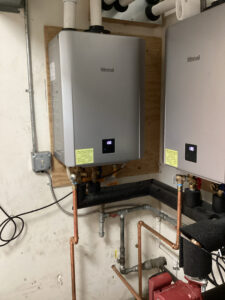
A lot of homeowners ask whether they should switch to tankless models.
Tank water heaters store hot water in a storage tank and reheat it as needed. They are simple and cost effective upfront but tend to have shorter life expectancy.
Tankless water heaters heat water on demand. That means endless hot water and no standby energy loss.
Tankless models offer:
- Longer service life
- More energy efficient operation
- Compact design for smaller spaces
But they also require proper installation and maintenance. A dirty inlet air screen or improper setup can reduce efficiency.
Heat pump water heaters are another option worth considering. These systems use ambient air to heat water and are known for strong energy efficiency ratings.
Choosing between these options depends on your home, your usage, and your budget.
A professional water heater installation ensures you don’t end up with a system that underperforms.
Energy Efficiency and Lowering Energy Bills
An inefficient water heating system can quietly drain your wallet.
Older systems often have poor energy efficiency ratings. They work harder, consume more fuel or electricity, and drive up energy bills.
Upgrading to a more energy efficient model can significantly reduce costs. Heat pump water heaters, modern gas water heaters, and advanced electric models all offer better performance.
Energy efficiency is not just about saving money. It’s also about reducing strain on your system and extending its service life.
In California, homeowners can also take advantage of local utility rebates for installing energy efficient systems.
If your current system is outdated, upgrading can pay for itself faster than you think.
Maintenance Tips That Extend Water Heater Lifespan
Proper maintenance is the difference between a system that lasts 8 years and one that reaches its full life expectancy.
Some essential maintenance tips include:
- Flushing the tank to remove sediment buildup
- Inspecting the anode rod regularly
- Checking the pressure relief valve
- Monitoring temperature setting
- Keeping the system clean and properly ventilated
Flushing the tank helps remove sediment buildup inside, which improves efficiency and prevents damage.
The anode rod plays a critical role in protecting your storage tank from corrosion. Once it wears out, the tank itself starts to deteriorate.
These are simple steps, but they require consistency.
If you’re not comfortable doing it yourself, schedule water heater maintenance with a professional.
Have a question or need a hand? Reach out anytime. You can book a service or talk with our team.
Water Quality and Its Impact on Your System
Water quality in Sonoma and Marin County plays a major role in how long your system lasts.
Hard water leads to mineral deposits. These deposits create sediment buildup inside the tank, affecting performance and efficiency.
Over time, this leads to:
- Reduced heating efficiency
- Increased energy bills
- Damage to internal components
- Shortened water heater lifespan
Installing water treatment solutions can help protect your system and extend its life.
If you’ve noticed discolored water or buildup on fixtures, your water quality is already affecting your plumbing system.
Ignoring it only makes things worse.
Repair or Replacement: Making the Right Call
At some point, every homeowner faces the same decision. Repair or replacement.
Here’s a simple way to think about it:
If your system is relatively new and the issue is isolated, a hot water heater repair makes sense.
If your system is older, has multiple issues, or is becoming inefficient, replacement is usually the better investment.
A replacement water heater gives you:
- Better energy efficiency
- Reliable hot water supply
- Lower maintenance needs
- Peace of mind
Trying to stretch an aging system often leads to repeated repairs and higher costs.
A qualified water heater repair professional can assess your situation and guide you toward the right decision.
Hot Water Heater Installation and Choosing the Right System
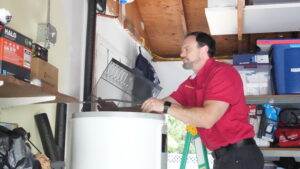
When it’s time for a water heater installation, choosing the right system matters.
Factors to consider include:
- Gallon capacity for your household
- Available water heater installation space
- Energy efficiency ratings
- Type of fuel supply
- Long term operating costs
Gas models are often preferred for faster heating, while electric models can be easier to install
Tankless water heaters offer endless hot water but require proper setup.
Heat pump systems provide excellent energy efficiency but depend on installation conditions.
This is not a one size fits all decision. It’s about matching the system to your home.
Working with a local expert ensures you get it right the first time.
Warning Signs You Should Never Ignore
Every water heater gives warning signs before failure.
Watch for
- Strange noises
- Water heater leaks
- Inconsistent temperature
- Rusty or discolored water
- Rising energy bills
These are not minor issues. They are signals that your system is under stress.
Ignoring them leads to bigger problems and higher costs.
If you notice any of these, it’s time to call a professional water heater repair service.
Final Thoughts on Water Heater Lifespan California
Your water heater is one of the most important systems in your home. It affects your comfort, your energy bills, and your daily routine.
Understanding water heater lifespan California helps you stay ahead of problems instead of reacting to them.
With proper maintenance, timely repairs, and smart replacement decisions, you can extend your system’s service life and avoid unexpected breakdowns.
If you’re dealing with warning signs, rising energy bills, or an aging system, don’t wait.
Contact John Owens Services today to schedule an inspection, get expert advice, and ensure your home has reliable hot water when you need it most.
Because the worst time to think about your water heater is when it stops working.
Looking For Emergency Services? Get A Free Estimate Today!
- Plumbing
- Sewer & Drain
- Leak Detection
- AC Services
- Ducts & Air Quality
- Heat Pump
- Furnace
- Radiant Boilers
- Water Heater