Water Heater Permit Sonoma County: What Homeowners Need to Know Before Installation
If you own a home in Sonoma County and you are thinking about replacing or installing a water heater, there is one thing you cannot afford to ignore. The water heater permit Sonoma County process is not just paperwork. It is a serious and significant responsibility that protects your home, your safety, and your long term investment.
I have seen too many homeowners treat a water heater replacement like a simple swap. Pull the old unit out, slide the new one in, hook up a pipe, and call it a day. That mindset works right up until something goes wrong. Then suddenly you are dealing with code violations, failed inspection results, or worse, a safety issue that could have been avoided.
This guide is going to walk you through what actually matters. No fluff. Just real, practical insight from the field so you understand what is required, what risks you are taking if you skip steps, and how to handle the permit sonoma process the right way.
Why are Permits Needed for a Water Heater Installation?
Let’s start with the obvious question. Why does a simple water heater installation need a building permit?
Because under federal and state law, anything that involves gas lines, electrical connections, pressure systems, or combustion appliances falls under regulated construction permits. A water heater touches all of those.
In Sonoma County, every water heater replacement is considered a construction project. Even if it feels like a small job, it still requires compliance with safety code, inspection, and proper permit issuance.
When you apply for a water heater permit sonoma county, you are confirming that:
- The installation meets current code
- The equipment is approved
- The location is safe
- The system includes proper fire prevention measures
- The work will be inspected by a building inspector
That is not bureaucracy for the sake of it. That is what prevents gas leaks, water damage, and fire hazards in residential structures.
Skipping this step might save you a few hours today, but it can cost you thousands later when you try to sell your property or deal with an insurance claim.
What is the Building Permit Process in Sonoma County?
The building permit process in Sonoma County is structured but not complicated once you know what to expect.
When you submit a permit application, the construction office reviews your project details. For water heaters, this is usually a simpler process compared to new construction or adding additional square footage.
Still, you need to provide basic information such as:
- Type of water heater
- Installation location
- Fuel source
- Any alterations to pipe or venting
- Property address santa rosa or surrounding areas
In some cases, especially if you are changing systems like switching to a heat pump or moving the unit, you may need construction plans or even a site plan.
Once submitted, the county may run a quick plan check. For simpler projects, this can be approved quickly. For more complex installations, you may need to provide additional building plans.
After approval, permit issuance happens, and you can proceed with the installation. But you are not done yet. You still need inspection.
A building inspector will come out to verify that everything meets code. If it does not, you will need corrections before final approval.
This is why working with a licensed contractor matters. They already know what inspectors look for.
What Are the Building Permit Requirements for a Water Heater Installation?
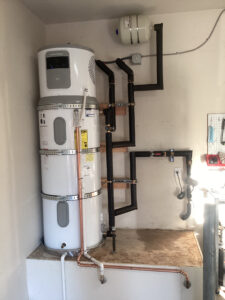
Here is where homeowners tend to underestimate things.
A building permit is not just about installing the unit. It covers the entire system around it.
That includes:
- Proper venting
- Seismic strapping
- Pressure relief valves
- Drain lines
- Safe placement within the building
In Sonoma County, especially in areas affected by major wildfires, fire prevention standards are taken seriously. Your installation must align with those standards.
If you are working on residential projects, requirements are usually straightforward. But if you are dealing with commercial building permits, the rules become stricter.
For example, commercial installations may require more detailed building plans, additional compliance checks, and coordination with disability access laws depending on the building use.
This is where homeowners trying to DIY often run into trouble. They think they are handling a simple installation, but they miss critical code requirements.
Ready to get things fixed? Schedule your service today or give us a call and we’ll be happy to help.
When Do You Need Building and Construction Plans?
For a standard water heater replacement, you usually do not need full building plans.
But there are exceptions.
If your project involves:
- Altering floor plans
- Adding additional square footage
- Changing system type to a heat pump
- Relocating the unit
- Modifying structural elements like a wall
Then you may need to submit construction plans.
These plans show the county exactly what you are doing and how it affects the structure.
In more complex cases, you might also need a site plan that outlines the location of the installation on your property.
For California building owners, this is part of ensuring that all construction projects meet safety and zoning requirements.
Skipping this step or submitting incomplete plans can delay your permit application or lead to rejection.
How to Apply for Permits in Sonoma County Online
The county has made things easier with permits online.
You can now submit your permit application, upload documents, and track the process without visiting the construction office in person.
That said, just because it is online does not mean it is foolproof.
You still need to:
- Submit accurate details
- Include correct plans if required
- Pay the necessary fees
- Respond to any plan check feedback
If you make mistakes, your application can stall.
This is where having a professional helps. A licensed contractor knows how to navigate permit sonoma systems efficiently.
If you prefer to handle it yourself, take your time and double check everything before you submit.
What Do Inspectors Look For in Construction Compliance?
When the building inspector shows up, they are not there to make your life difficult.
They are there to ensure compliance.
For water heaters, they typically check:
- Proper installation of pipe connections
- Correct venting and exhaust setup
- Safe clearance from combustible materials
- Secure mounting and strapping
- Pressure relief valve and drainage
If any part of the installation does not meet code, you will need to fix it before approval.
This is why inspections matter. They catch problems early before they turn into expensive repairs.
Hazardous Materials and Safety Considerations
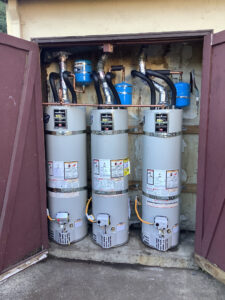
Most homeowners do not think about hazardous materials when replacing water heaters.
But they should.
Older systems may involve materials or components that need careful handling. Gas connections, combustion systems, and even certain insulation materials can pose risks.
In Sonoma County, safety standards are strict for a reason. The region has experienced major wildfires, and fire prevention is a top priority.
Your installation must minimize risk. That includes proper placement, ventilation, and compliance with all relevant code.
Permit Application Mistakes That Cost Homeowners Time and Money
This is where things get painful.
Common mistakes include:
- Submitting incomplete permit application details
- Not including required construction plans
- Incorrect installation location
- Ignoring code requirements
- Skipping inspection
Each of these can delay your project or result in failed inspections.
I have seen homeowners try to rush through the process only to end up paying more in corrections and rework.
If you are going to do it, do it right the first time.
Have a question or need a hand? Reach out anytime. You can book a service or talk with our team.
Demolition Permit and Larger Construction Projects
You might be wondering where a demolition permit fits into all this.
If your project involves removing structures or significant alterations, you may need additional construction permits beyond just the water heater permit.
This is more common in larger construction projects or when working on accessory structures.
Again, this comes back to understanding the scope of your project before you begin.
Commercial Building Permits vs Residential Projects
There is a big difference between residential and commercial work.
Residential projects are generally simpler and faster to approve.
Commercial building permits require:
- Detailed building plans
- More extensive plan check
- Additional compliance requirements
If you are working on a commercial property, do not assume the process will be the same as your home.
Fire Prevention and Code Compliance in Sonoma County
Fire prevention is not optional here.
Given the history of major wildfires in the region, Sonoma County enforces strict standards.
Your water heater installation must:
- Be located safely
- Include proper venting
- Meet all fire safety code requirements
This is not just about passing inspection. It is about protecting your home and your community.
Should I Work With a Licensed Contractor for Water Heater Installation?
This is the part where people either nod in agreement or stubbornly decide they know better.
A licensed contractor does more than install equipment.
They:
- Handle permits
- Ensure compliance
- Prepare for inspection
- Fix issues before they become problems
If you are confident in your skills and understand the code, you can attempt a DIY approach.
But most homeowners underestimate the complexity.
When you hire a professional, you are paying for experience, efficiency, and peace of mind.
When to Contact John Owens Services
If you are dealing with:
- Water heater replacement
- Permit application confusion
- Inspection failures
- Code compliance issues
It is time to bring in someone who does this every day.
Contact John Owens Services today and get it handled properly. No guesswork. No surprises.
Final Thoughts on Water Heater Permit Sonoma County
This process is not there to slow you down. It is there to protect you.
The water heater permit sonoma county process ensures that your installation is safe, compliant, and built to last.
You can try to cut corners, but eventually, the system catches up.
Do it right. Follow the process. Work with professionals when needed.
And if you want it done without the headache, call a licensed contractor who knows Sonoma County inside and out.
Because at the end of the day, this is not just about a water heater.
It is about your home, your safety, and making sure the job is done right the first time.
Looking For Emergency Services? Get A Free Estimate Today!
- Plumbing
- Sewer & Drain
- Leak Detection
- AC Services
- Ducts & Air Quality
- Heat Pump
- Furnace
- Radiant Boilers
- Water Heater