Everything About EV Charger Installation in Sonoma and Marin County
With their energy efficiency, environmental benefits, and eligibility for financial incentives, the popularity of electric vehicles in California is constantly growing. As a result, many homes now require an electric vehicle, or EV, charging station. Electric Vehicle (EV) charging stations are essential for providing the necessary power to charge electric vehicles at home, ensuring convenience and efficiency. You want this appliance installed professionally and safely so that you have a reliable charger for your vehicle. If you’re considering an EV charger installation, you may have questions about cost, the permit process, or how you determine what electrical requirements you need to meet for this large appliance. If this is true, you’ve come to the right place. John Owens Services are the experts on everything having to do with EV charger installation in Marin and Sonoma County.
EV Charger Installation Cost
There are several aspects that will determine the cost of EV charger installation apart from the cost of the charging station itself. Clean Energy Connection reports that the range from around $500 – $1,500. Making up this cost will be the following factors to start:
- Hardware (actual EV charger)
- Labor costs
- Materials such as wiring and breakers
- Permits and inspections
But there are additional installation considerations that may increase the price. These include:
Distance from your panel to the charging location – the farther the charging station is from your panel, the higher the labor and material costs will be because it will require more complicated wiring, especially depending on how difficult it is to route the charger to your panel.
Electrical panel upgrades – it is possible you will need to upgrade your current panel if it does not meet the electrical needs of your chosen EV charger. According to the EPA, the most common chargers range from 30 to 40 amps. You may have to upgrade to a 200-amp panel or add a sub-panel, a smaller additional panel powered by the main panel that can offer additional space if you do not have room for further breakers.
In addition to the above costs, there are also state and federal incentives to consider. Tax incentives can possibly cover a portion of the installation costs, while utility companies could possibly provide rebates. Local EV charger installers can help with this.
The Process of EV Charger Installation
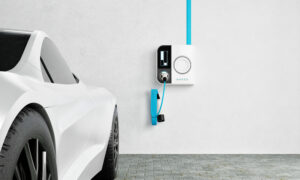
After you have contacted a certified EV charger installer, like John Owens Services, the process for getting your new charging station begins. There are several different steps that make up the process.
Electrical Panel Capacity
The first thing you do is determine the type of charger you require for your vehicle. Once you have this, your local electrician will need to verify if your current electrical panel is able to handle that specific level of charger. The most common charger people have installed is a level 2 EV charger, a 240 volt electric vehicle charger that can charge most vehicles in under ten hours. Looking into panel upgrades may be useful. A 200-amp panel will likely be required or a sub-panel if you don’t already have one.
Site Assessment
A licensed electrician will come to your home to assess your panel if needed as well as the distance between the panel and your desired spot for the EV charging point installation. From here, you will get a better idea on the cost of installation and what requirements will be involved. A technician can give you a clear estimate.
Permits
According to Permitbystate.com, permits are usually required for a home EV charging station installation. John Owens Services has a dedicated permits department that can help handle all permit applications. We can ensure every step of the installation process falls within the code of compliance.
Installation
Now the actual installation job begins. This is when technicians will come and install a wall-mounted charger for electric vehicle charging at home, as well as the circuit, which is the dedicated pathway electricity travels from your panel to the charger. They will also install the wiring and conduit, the tube that carries the electricity and wires to your charger.
Testing
After the charging station is fully installed, local EV charger installers can run a full test to make sure everything is working as it should. They can also help with any inspections that need to be performed to ensure code compliance. Lastly, they will go over all instructions with you on how to work all features of your new charging station.
Professional EV Charger Installation
One of the most important parts is getting the best certified EV charger installer for the job. John Owens Services has been offering home services to the Sonoma and Marin County areas since 1986. We’ve provided homeowners with trustworthy electrical work for EV chargers, heat pumps, electric water heaters, and countless other home appliances. We can handle EV charger installation and repair and any electrical wiring or panel upgrades you may need in addition. Call on us any time for more information on our electrical services!
Key Takeaways
- Hardware, labor, materials, and permits are all a part of what makes up the cost of an EV charger installation
- How far your panel is from the location of the charging station and whether you need any electrical panel upgrades can be factors to affect installation cost
- Deciding on the type of charger you need and how much your electrical panel can handle is the first step of EV charger installation
- A local electrician will come out and assess your panel and available space for the new charging station and give a firmer estimate
- John Owens Services can handle the permit application process for the new installation
- Electricians will install the new charger, panel upgrades, and all required wiring
- We will run a thorough test on the appliance before helping you understand how to work the system