Choosing the Right Furnace for Your Home
You may want a new furnace because of a home remodel or because your old unit no longer works well. Where should you start? Should you get a high efficiency natural gas furnace? An energy efficient electric furnace?
A good heating system depends on the right size, the right fuel, and the right equipment type. You should also look at furnace efficiency, your budget, and your heating goals. A certified furnace technician can run a load calculation and point you to the best furnace for your home.
Summary
Choosing the right furnace means looking at size, furnace efficiency, fuel source, operation type, and furnace and blower speed. Good sizing and expert advice help the system fit your home and run well. A quality install from an experienced furnace specialist can also protect performance and reduce repair needs.
Furnace Replacement Considerations
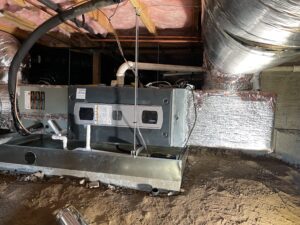
Before you start a furnace installation project, keep these points in mind.
They will help you choose the furnace type that fits your home.
Size
People measure the size of a furnace in BTUs, or British Thermal Units. BTUs show how much heat the unit can make each hour.
A load calculation looks at your home’s square footage, insulation, windows, and local climate to find the right furnace size. You can do it yourself, but an HVAC technician is usually more accurate.
AFUE Rating
A furnace’s energy efficiency is shown by its AFUE rating, which tells you how well the system uses fuel. A higher AFUE means better furnace efficiency.
If you are comparing a high efficiency gas furnace, this number matters. Climate, home size, and insulation still affect the real cost.
Fuel Type
Gas furnaces and electric furnaces are the most common options, but propane and oil units are also available. Your choice may depend on the fuel source at your home and your efficiency goals.
If you are getting a furnace replacement, it is often best to stay with the same fuel type. But you may want to replace oil furnace systems with a single stage gas furnace, or an inefficient gas furnace with an electric system. If you are unsure if your fuel source is still the best choice, a local furnace technician can help. They can check your system and suggest better options.
Furnace Type
Different ways exist for furnaces to control heat. A single-stage furnace runs at full power each time it turns on. A two-stage furnace usually runs at about 60 to 65 percent, then shifts to full power when the temperature drops.
A modulating furnace changes heat output in small steps for more even temperatures. Two-stage and modulating furnaces cost more upfront, but they can heat more evenly and use less energy. Single-stage units cost less at first, but they may create uneven temperatures and higher energy use.
Speed Type
Furnaces use a fan and blower motor to move heated air through the ductwork. A fixed-speed blower runs at one speed. A variable-speed blower starts low, then speeds up if needed to reach the set temperature.
Variable-speed blowers can be quieter and more efficient because they do not run at the same speed all the time. This can improve comfort in an HVAC furnace and help the system use less energy.
Who to Call for Furnace Installation

Choosing the right indoor furnace matters, but the install matters just as much. A poorly installed system may lose efficiency, need frequent repairs, and wear out early. That is why it is smart to hire trusted furnace specialists with a strong track record.
Since 1986, John Owens Services has provided reliable furnace installation, repair, and maintenance to Sonoma and Marin County homeowners. We are a licensed, family-owned business. We value our customers and aim to leave every home with a furnace that lasts for many heating seasons.
If you have furnace questions, get in touch and we will help right away.
Q&A
Question: Why is proper furnace sizing so important?
Short answer: Proper sizing helps the furnace heat your home evenly and with less waste. Furnace size is based on BTUs and should be set with a load calculation that looks at square footage, insulation, windows, and local climate. An HVAC technician can help make the result more accurate.
Question: Does a higher AFUE rating always mean lower heating costs?
Short answer: A higher AFUE means the furnace uses fuel more efficiently, but your real cost still depends on climate, home size, insulation, and how well the furnace fits your needs. That is why the article pairs AFUE details with a load calculation and expert advice.
Question: Should I switch fuel types when replacing my furnace?
Short answer: In most furnace replacement jobs, it is best to stay with the same fuel type if that fuel source is already available and practical for your home. If you are unsure, a local furnace technician can check the system and suggest other options.
Question: What is the difference between single-stage, two-stage, and modulating furnaces?
Short answer: A single-stage furnace runs at full power when it starts. A two-stage furnace usually runs at about 60 to 65 percent, then shifts to full power when needed. A modulating furnace changes heat in small steps for more even comfort. Two-stage and modulating units cost more upfront, but they can improve comfort and furnace efficiency.
Question: Why does installation quality matter if I already chose an efficient furnace?
Short answer: Even a high efficiency furnace can underperform if it is installed badly. Poor installation can cut efficiency, cause frequent repairs, and shorten the system’s life. Experienced furnace specialists can help protect performance and longevity.
Question: Where can I buy a furnace?
Short answer: You can buy a house furnace online, thorugh home improvement suppliers, or through a local HVAC company whether you are looking for a high efficiency gas heater, an energy efficient oil furnace, or a high efficiency lp furnace.