Why is My Furnace Blowing Cold Air Instead of Heat?
You’re preparing for a holiday party or warming up the house on a cold winter evening. Then you turn on your heating system and get a rush of cold air from the vents.
In the middle of winter, that can be serious trouble. The good news is that the problem may have a simple cause and an easy fix. Read on to learn why your furnace is blowing cold air, how to troubleshoot it now, and when to call an HVAC technician.
Common Reasons Your Furnace is Blowing Cold Air
When your furnace is blowing cool air instead of warm air, one of these issues is often to blame.
Thermostat Settings
Wrong thermostat settings are a common cause, especially when the seasons change. Check that the thermostat is set to heat, not cool, and that the fan is set to auto instead of on.
Furnace Needs to Warm Up
A brief blast of cold air can be normal when the furnace first starts, especially after it has been off for a while. Give the heating cycle a few minutes to begin. If the air is still cold after 10 to 15 minutes, there is likely another problem.
Dirty Furnace Filter
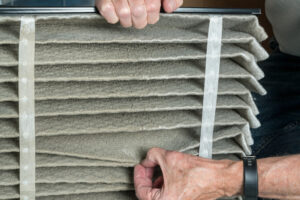
Air filters catch dust and other debris before it moves through the system. When a dirty furnace filter gets clogged, airflow drops and your furnace may start blowing cold air. Replace air filters on a regular schedule.
Leaky Air Ducts
Leaky air ducts can let warm air escape into the attic or another space before it reaches your rooms. That can leave you with cool air at the vents even though the heating system is running.
Ignition Failure
If the pilot light or ignition fails, the furnace cannot make heat. In an older gas furnace, the pilot light may go out. In a newer unit, the ignition system may fail to light the burners.
Dirty Flame Sensor
Even if the burners light, a dirty flame sensor may not detect the flame. When that happens, the system shuts down as a safety step and the fan may keep blowing cool air.
Closed or Blocked Vents
Closed or blocked vents can limit airflow and make it hard for the furnace to heat the house well. The unit may overheat or struggle, which can lead to cool air or uneven heat.
Safety Malfunction
Furnaces have several safety controls, including limit switches. These parts watch the temperature and shut the burners off if the unit overheats. If a switch malfunctions, the burners may shut off even when nothing is wrong, while the fan keeps moving unheated air.
Power Supply Problems
A problem with the furnace power source can keep it from starting at all. A bad gas valve, a gas line issue, a propane supply problem, or a breaker issue can all stop the system from making heat.
Troubleshooting Tips
Here’s what you can do to try to get your furnace back to blowing warm air.
Thermostat Adjustments
Check that your thermostat is set to heat, not cool. Make sure the fan is on auto, not on. Also check that the temperature setting is higher than the room temperature. If you have a programmable thermostat, make sure it was not affected by daylight saving time or a power issue.
Filter Change
Replace your HVAC filter every couple of months. This is one of the easiest ways to keep your heating system in good shape. If the filter looks clogged, change it and follow the furnace manual for the right steps.
Check Vents
Make sure all heat vents are open so the system has enough airflow. Move rugs, furniture, and other objects away from return vents. Open all return vents when the furnace is running. This can help prevent overheating.
Inspect for Air Leaks
Turn on the system and look for air leaks in any ducts you can reach. Also check the attic, basement, doors, and windows for gaps. Air leaks can reduce heat and make the house feel colder.
Check Other Appliances
If you think the power source is the problem, test other gas or electric appliances. If you have an electric furnace, make sure the breaker is on. If other appliances are acting up too, you may have a larger gas or electrical issue and should call a professional.
When to Call a Furnace Service
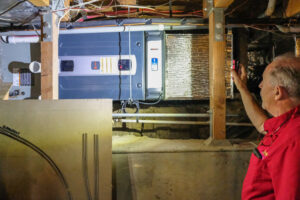
These are the situations when it is time to call for professional furnace repair.
Major Air Leaks
If you notice poor insulation, major air leaks, or hidden ducts you cannot reach, an HVAC specialist can help with insulation and duct sealing.
Pilot Light Problems
If the pilot light goes out or will not stay lit, follow the unit’s instructions carefully if you plan to relight it. If the flame color looks strange or the pilot will not stay on, call an HVAC professional right away.
Flame Sensor Cleaning
You can remove the access panel and look at the flame sensor if you know how to do it safely. If it is dirty or damaged, call a furnace technician to clean or replace it. This is a common part of regular maintenance and should be checked once a year.
Safety Glitches
If any safety feature seems to be failing, such as the limit switch, call a furnace technician right away. Furnaces handle hot, combustible parts, so a safety problem should not wait.
Gas or Electrical Issues
If the issue seems tied to gas or electricity, leave the work to a licensed professional. Gas lines, valves, wiring, and panels can be dangerous without the right training and tools.
Schedule Furnace Repair With HVAC Professionals
A furnace blowing cold air can be stressful and disruptive. At John Owens Services, we offer emergency furnace repair for homeowners with no heat in the cold winter months.
We can inspect your system, explain what is wrong, and recommend the right repairs. We believe every home should have a reliable furnace that works through the heating season. Contact us today to get your furnace working as it should!
Q&A
Question: Is it normal for a furnace to blow cold air at first?
Short answer: Yes. A brief blast of cold air can be normal when the furnace first turns on, especially after it has been off for a while. If the air is still cold after 10 to 15 minutes, the cause is likely something else, such as thermostat settings, a clogged filter, ignition failure, duct leaks, or a safety control issue.
Question: What should I check first if my furnace is blowing cold air?
Short answer: Start with the thermostat because it is one of the easiest fixes. Make sure it is set to heat instead of cool, the fan is set to auto instead of on, and the temperature setting is higher than the room temperature. If you have a programmable thermostat, check that daylight saving time or a power issue did not change the settings.
Question: Can a dirty furnace filter really cause cold air to come from the vents?
Short answer: Yes. A clogged filter restricts airflow through the system, which can lead to overheating and poor heat output. Replacing the HVAC filter every couple of months is one of the easiest ways to keep the furnace working well.
Question: When should I stop troubleshooting and call an HVAC technician?
Short answer: Call a professional if you suspect major duct leaks, pilot light problems, a dirty or damaged flame sensor, a safety malfunction, or any gas or electrical issue. These problems can involve hazardous parts, wiring, or safety controls, so they should be handled by a trained technician.
Question: Why do blocked vents make furnace problems worse?
Short answer: Closed or blocked vents reduce airflow, and your furnace needs good airflow to work well. When airflow is restricted, the unit may struggle, overheat, or heat unevenly, which can cause cool air from the vents or poor comfort through the house.