Plumbing Problems After Heavy Rains
After suffering from a historic drought here in California, we are definitely grateful for the rain that we have been getting. With the rainy season well underway, and with a couple of large storms already under our belt, it is important to be prepared and on the lookout for plumbing problems. Plumbing problems can arise after heavy rains, especially in areas that have been suffering a dry spell. Here are three common plumbing problems that can occur after a lot of rain and how to be prepared for them.
Drains Blocked / Sewage Smell After Heavy Rain
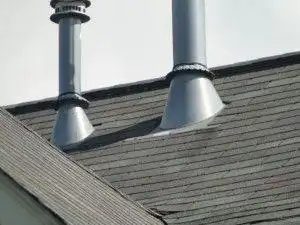
Drain clogs are a common plumbing problem after heavy rains. All kinds of trash and debris can get stirred up and clogged in plumbing pipes and vent stack pipes on your roof. One of the first signs that this is a problem, aside from slow drainage, is a sewage smell emitting from your drains. Drains should be professionally cleaned to alleviate this problem. To prevent this from happening in the future make sure storm drains, gutters, and rooftops are clean and free of debris. Regular drain cleaning is also a good idea.
Broken Pipes After Heavy Rain
Heavy rains after a dry spell can lead to broken pipes. During times of little or no rain, the ground can harden. Once heavy rains start the ground can shift, and this is what causes broken pipes.
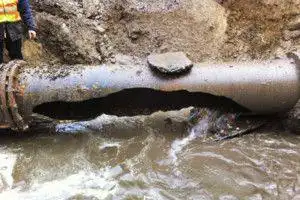
Galvanized steel pipes are particularly at risk. Some signs you may have a broken pipe are discolored water or a loss in water pressure. If you suspect a broken pipe you should call your plumber right away to locate and repair the broken pipe.
Ready to get things fixed? Schedule your service today or give us a call and we’ll be happy to help.
Basement Flooding After Heavy Rain
Flooding is a natural result of heavy rains. Basements and utility rooms that are located below the ground are of particular risk. To help combat flooding during heavy rain, many basements and utility rooms have sump pumps. To prevent flooding during heavy rains you should test your sump pump to make sure it is working. You can easily test your sump pump by pouring water into the crock. If it is working correctly the sump pump will automatically turn on and start pumping the water out. Next, you will want to make sure that the drain pipe is free of clogs and debris. Considering replacing the sump pump if it fails the test.
With a few more months left in the rainy season, it is important to make sure that your plumbing system is ready for more heavy rain. Questions or concerns? Contact John Owens Services, Inc. today!
Looking For Emergency Services? Get A Free Estimate Today!
- Plumbing
- Sewer & Drain
- Leak Detection
- AC Services
- Ducts & Air Quality
- Heat Pump
- Furnace
- Radiant Boilers
- Water Heater